12 Unhealthy Eating Habits
- Eating when not hungry.
- Eating while standing up.
- Skipping meals.
- Eating your kids’ leftovers.
- YOU (LITERALLY!) BITE MORE THAN YOU CAN CHEW.
- YOU MULTI-TASK while eating.
- Not Drinking Enough Water.
- Eating Late at Night. Late Night Eating.
- Eating Too Much Sodium.
- Too Many Meals Away From Home.
- Eating too fast.
- Cleaning your plate.
1 Eating when not hungry
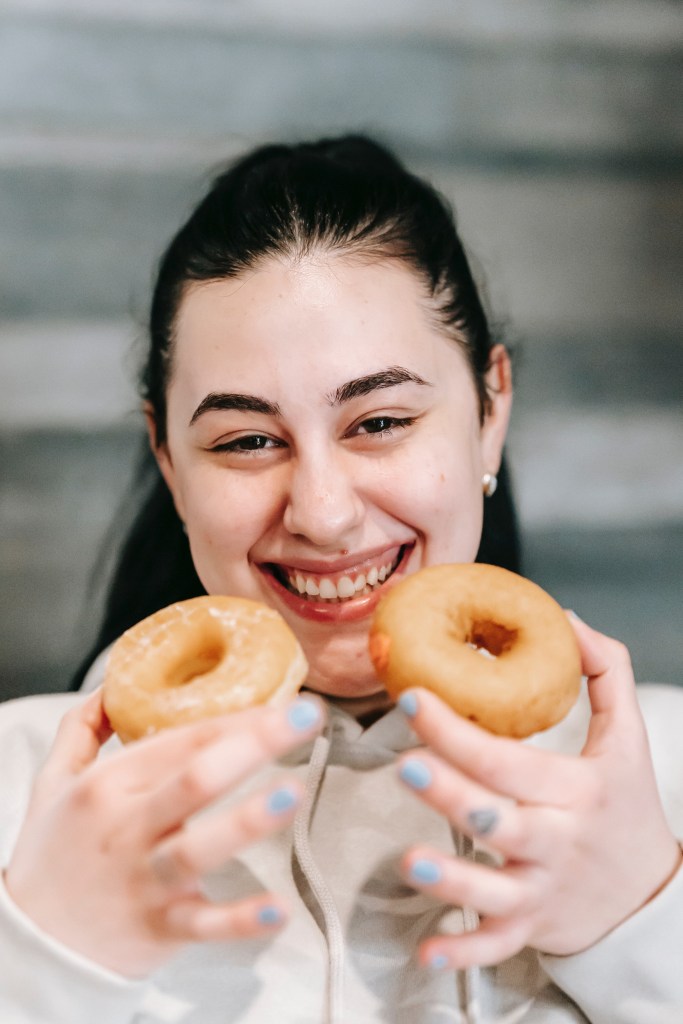
Sometime after just having a meal 5 minutes later your still feeling the want for something to eat again and even when so. Your still looking for another bite 15 minutes later… So why do we eat so often even when we’re not hungry?… When you don’t get enough rest, your levels of ghrelin (a hormone that increases your appetite. And makes you want to eat) go up. Meanwhile, your levels of leptin (a hormone that decreases hunger and the desire to eat) go down. These two hormones control feelings of hunger. Leptin is a hormone, made by fat cells, and. Ghrelin is a hormone that also plays a role in body weight. So how do we stop ✋ ourselves from craving sometime else to eat when not hungry…
If you’re not physically hungry, but you’re still feeling drawn to that leftover from dinner on the stove or your fridge, it may mean that you’re hungry for something else. … Well Drink some Water. We often confused our thirst with hunger or food cravings. … Find your real hunger. And feed it. Try Eating more earlier hours. Or what I personally think is… Try to discipline yourself, to know yourself more internally to know the different feeling from when your feeling hungry from when your feeling full…
2 Eating while standing up.

food empties from the stomach more slowly when a person is sitting or lying down, compared to when they are standing. In fact, eating while standing up may be beneficial. Well apparently, eating while sitting upright or standing up can reduce pressure in the stomach, reducing the chance of reflux, and heartburn while eating when standing and moving around, in during a walking meal, may or can help the food to exit your stomach more faster, and can further lowering the probability of reflux and heartburn. However, others insist that standing while eating may be harmful to digestion and Eating while standing may make you more prone to overeating, becoming hungrier faster or feeling bloated and gassy. However, there’s still little evidence to support the notion that eating while standing up is harmful. To me as long as you take your time and eat mindfully, either standing or sitting to eat your meals either position should be absolutely fine…
3 Skipping meals.
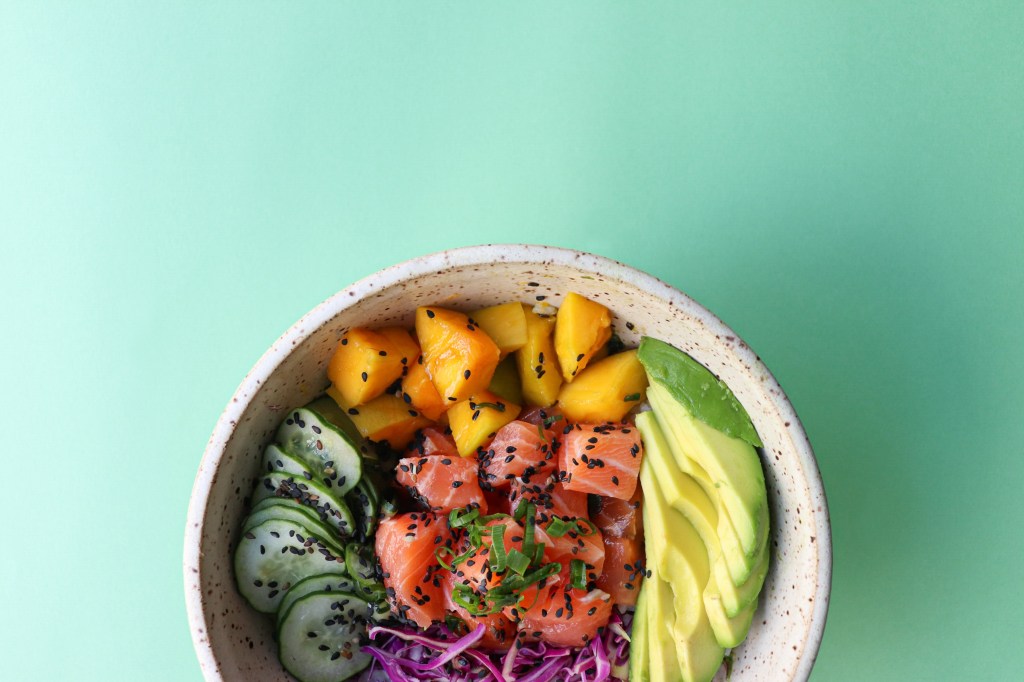
You may be in a rush. Maybe you wake up late and you don’t got the time for breakfast (or so you think) because your late for work in the morning. So I decided to skip breakfast. Or maybe your just a lazy day and your just not in the grove to make ur own lunch so you pass… But whatever the reason is. Things you need to know is that your blood 🩸 sugar decreases, when you skip a meal which causes You to feel irritable, confused and fatigued… The body begins to increase production of cortisol, leaving us stressed and hangry. Skipping meals can also cause your metabolism to slow down, which can cause weight gain or make it harder to lose weight. “When you skip a meal or go a long time without eating, your body goes into survival mode,” not bad but this can really hurt you. This causes your cells and body to crave food which causes you to eat a more than usual. Eat smaller, frequent meals throughout the day rather than skipping meals. Always have a snack around high in protein and fiber to hold you over until your next meal. Eat snacks high in protein and fiber tends to hold you more longer… Plan your meals in advance or prepare them the night before…
4 Eating your kids’ leftovers.

When your kids leave the table, they’re full and their plates are half-empty. They is so much leftovers, so you think – you will finish off the plate for them. The effects in just eating an extra 100 calories (half a cup of macaroni and cheese, Ackee and salted fish ) with each weekday dinner means you probably will adopt a few pounds of fat in seven weeks. The fix: Eat only what’s on your plate. “And don’t pile up a lot of food on your plate – or on your kid’s plates, either,” Tsang says. Just the same as we know and feel when we’re hungry 🤤 and want something to eat, is what we need to apply to know and Learn to recognize the feeling of being full. To know when to stop eating… you see As soon as everyone is full, pack the leftovers in containers for lunches. You can freeze them to reheat later…
5 YOU (LITERALLY!) BITE MORE THAN YOU CAN CHEW.
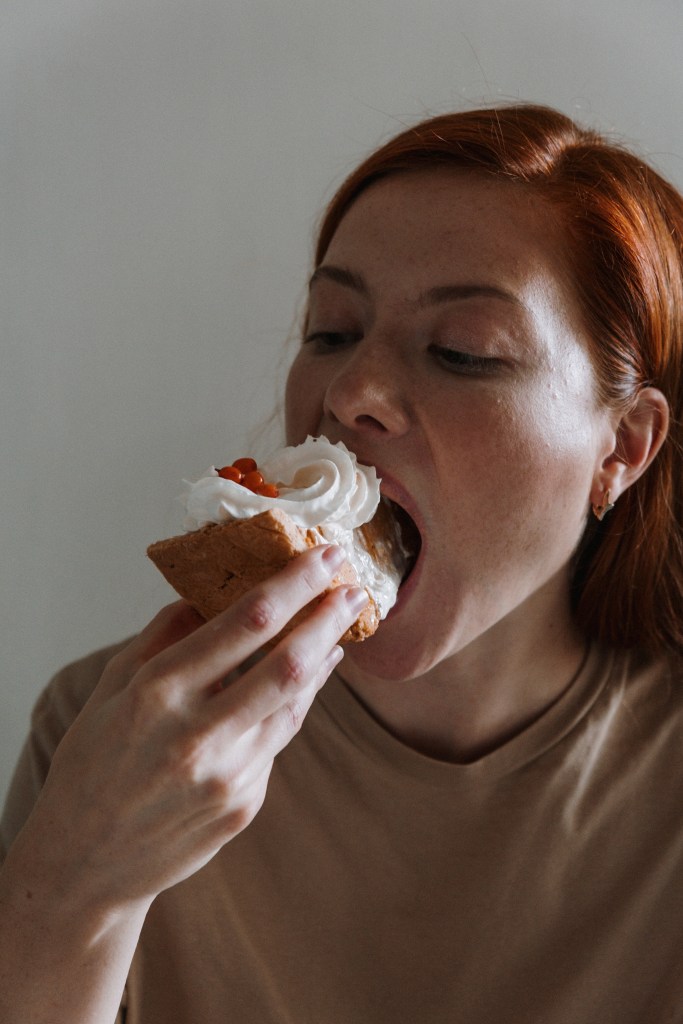
Devouring your food greedily (Wolfed down) in record time not only can it leads to indigestion, but it also means that you’re not chewing your food properly. – The first (and most critical) step is digestion. Countless studies have shown that sufficient chewing results in more favourable levels of appetite-regulating hormones that tell your brain when you have had enough. To slow down your eating. Chew every large bite a minimum of 10 times – or whatever it takes to really grind it into mush. You may even end up eating less. People bite off more than they can chew because they think they can chew more than they can, because they’re excited, because they feel pressured by others, because they don’t realize how big the bite is…. There isn’t any one simple answer…
6 YOU MULTI-TASK while eating.
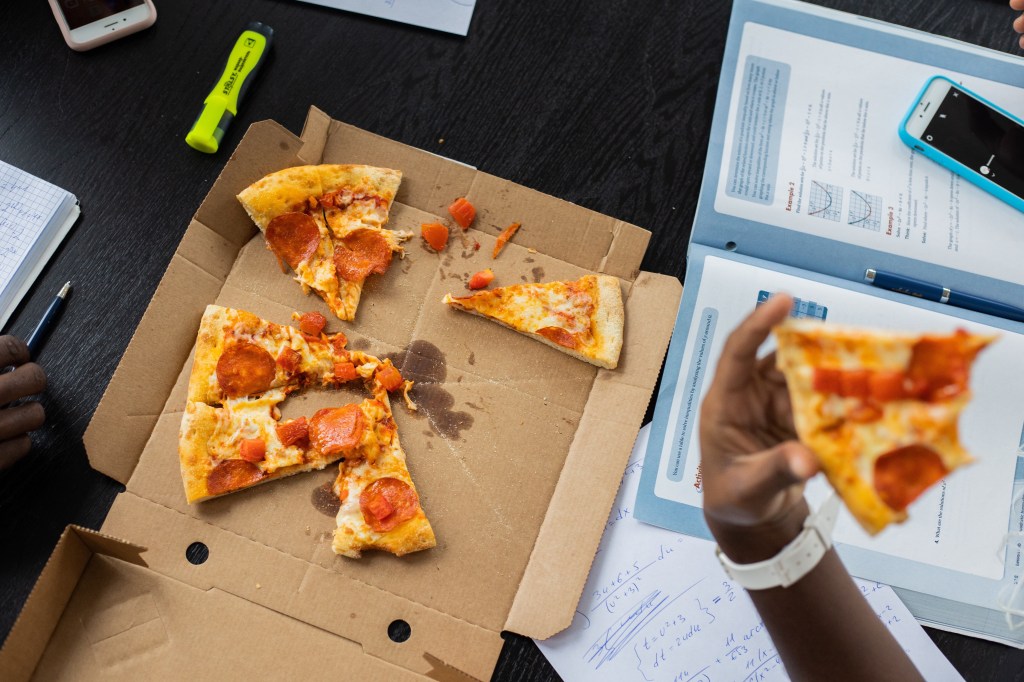
Eating while you’re distracted by work, or watching television 📺 and just being distracted or hurry eating your food can be a disaster for your waistline and energy levels, and can prompt you to eat more than your usual amount. How many times have you mindlessly cut your way through your lunch and before you realise it you’re on your last bite? Research has shown that eating while distracted can lead to overeating. Slowing down and savoring your food can help you control your intake. I know… Multi-tasking is efficient in today’s busy world, we use it in our daily life but, not when it comes to eating habits. If you constantly eat lunch at your desk or dinner while watching Netflix, your in trouble. Try Slowing down and savoring your food can help you control your intake. What U can do is you need to challenge yourself to eat without distractions— maybe this will help your waistline be at ease… Pre-portion your food if you know you must eat while being distracted, such as in front of the television or while powering through work at your desk. If you find it difficult to eat without distraction, find a distraction less likely to lead to give in to eating and drinking too much…
7 Not Drinking Enough Water.
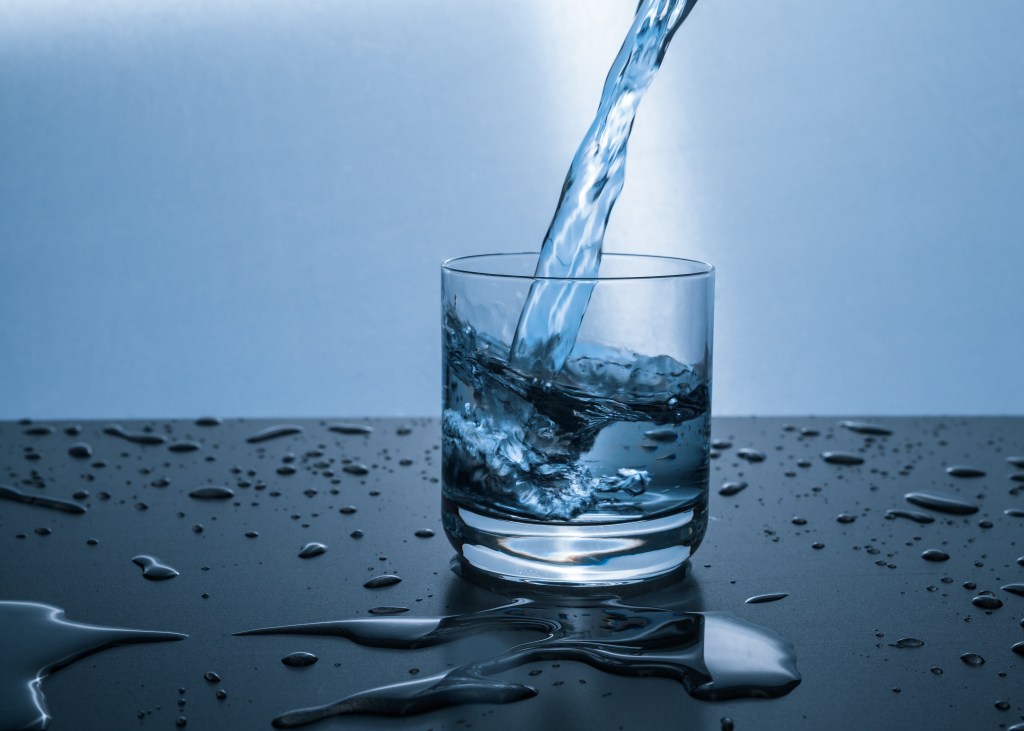
Human beings are made up of about 75% to 80% water. Every tissue, organ, and cell in our bodies use it to function properly. So if Water 💦 is accounts for 80 percent of our body then that means water 💦 is A very important substance. so it shouldn’t be a surprise that drinking water benefits your total body health. And “If you don’t get enough water,💧 constipation and hard stools could be common side effects, along with cramps and abdominal pain.”… Dehydration shows up on your face In a form of. ashy skin that seems less radiant, plump and elastic. And can Commonly found on the arms, knuckles, elbows, lower legs, knees, and heels. It’s not a serious condition, but like dandruff, it can be embarrassing.
And you don’t want that.
Staying hydrated helps to keep your memory sharp, your mood stable and your motivation intact. Keeping up with your fluids helps your skin stay supple, your body cool down when it’s too hot, and allows your muscles and joints to work better and helps clean toxins from your body by-way-of your kidneys. So, how much water should you be drinking? The Institute of Medicine says adult men need about 13 cups per day of fluid; adult women need about 9. (You get about an additional 2 1/2 cups of fluid from foods.) But the best way to know if you’re drinking enough water is to monitor your urine color: if it’s light yellow (the color of lemonade), that means you’re drinking enough. 💭
Well I think 🤔
Whatever you do, make sure you get in about six to eight glasses of water 🚿 each day, otherwise dehydration could cause a whole host of problems.
8 Eating Late at Night. Late Night Eating.

There are a couple of reasons why you should think about moving your dinner hour earlier. Eating 🍽 every late nights can lead to several health risk like heart diseases, increase in blood sugar levels, obesity and acidity. So Basically, the later you eat, the less your body is prepared to sleep, which can also have unfavorable effects on your memory and efficiency the next day you wake. So when food 🥘 is consumed late at night — anywhere from after dinner to outside a person’s typical sleep/wake cycle — the body is more likely to store those calories as fat and gain weight rather than burn it as energy… Some people eat most of their food late in the evening or during the night. … Plus, most of us aren’t eating carrots and apples late at night-we’re reaching for snacky foods that aren’t necessarily the healthiest choices.
9 Eating Too Much Sodium.
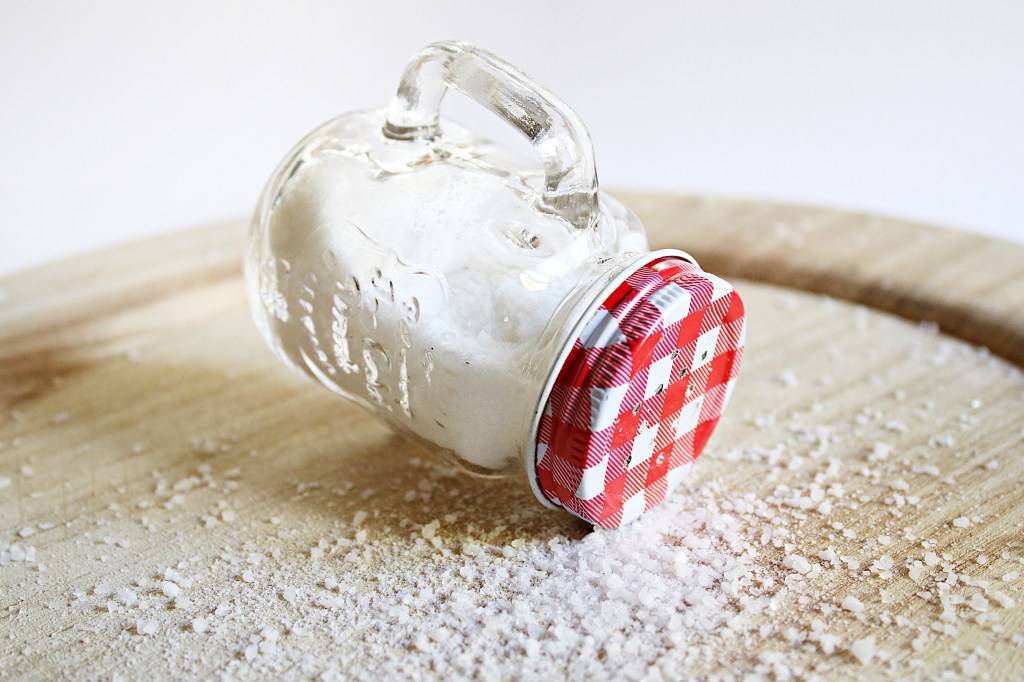
An average person, eat about 1,000 mg of more sodium each day. That’s more than we should. So Too much sodium in the diet can lead to the risk of multiple health hazards such as high blood pressure, heart failure, and stroke. It can also cause calcium losses, some of which may be pulled from our bones,🦴 Most humans consume at least 1.5 teaspoons of salt per day, or about 3400 mg of sodium, which contains far more than our bodies usually need. But the list doesn’t stop 🛑 there. It can also increase your risk for osteoporosis, stomach cancer, kidney disease, kidney stones, an enlarged heart muscle and headaches. Too much sodium can also affect your appearance. Drinking lots of water 💧 seems to helps flush sodium from your kidneys; staying hydrated will also help you feel less bloated. Also One of the easiest ways to cut your sodium intake is to cook 👩🍳 at home 🏠 using fresh ingredients… Restaurant foods and processed foods both tend to be very high in sodium. To trim your sodium intake even further, try boosting the flavor of food 🍱 cooked at home 🏠 with herbs and spices rather than salt.🧂
10 Too Many Meals Away From Home.

Restaurants and take-out will always mean an serve super-sized portions, along with more calories and sodium. Eating a poor quality diet high in junk food is linked to a higher risk of obesity, depression, digestive issues, heart disease and stroke, type 2 diabetes, cancer, and early death. People who frequently cook meals at home eat healthier and consume fewer calories than those who cook less. It’s proven to be healthier that people who cook more often at home, rather than going out to eat at restaurants, have an overall healthier diet. Make the effort to prepare meals at home most nights of the week rather than to venture out. studies also show that restaurant meals typically contain higher amounts of sodium, saturated fat, total fat, and overall calories than home-cooked meals.
11 Eating too fast.
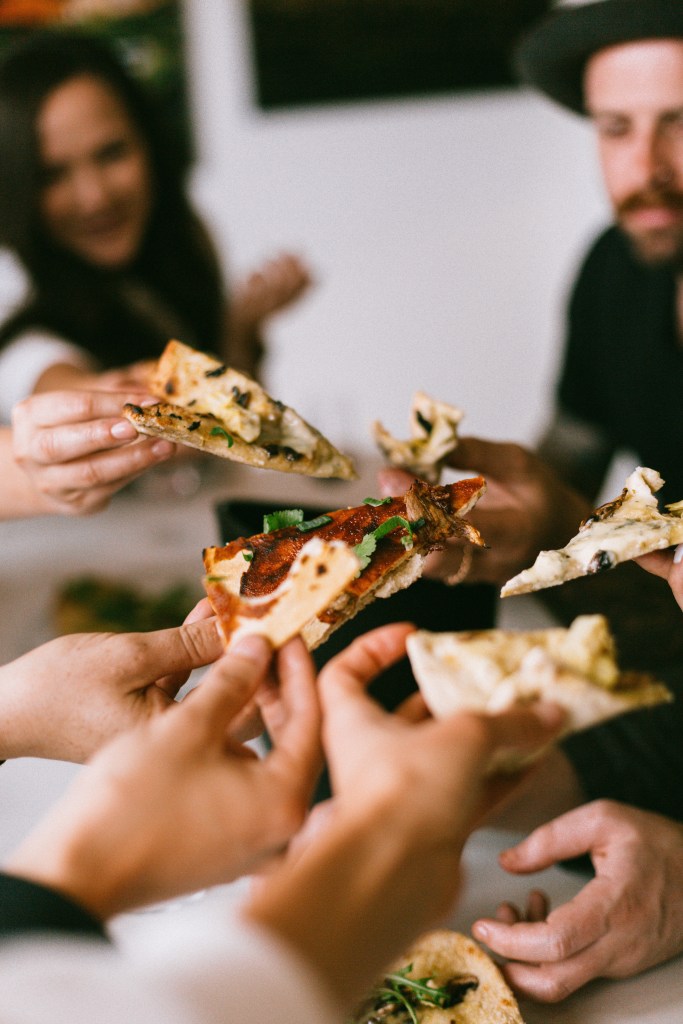
Leisurely eating is better for your health, especially when it comes to digestion, weight and nutrition. When you eat too fast, you swallow more air, which can cause bloating and gas. Slowing down to properly chew your food helps to break down larger particles of food into smaller ones, which In turn making digestion of your food more proper and easy. One of the major reasons for eating too fast is not chewing long enough. Most of us people or into the cut and swallow business. We’re so hungry most of the times, all we can think about is eating at the specific moment so you don’t have the time to chew your food properly… just one bite after the other. After taking a bite chew slowly while doing that taste your food the flavor the spice and the herbs 🌿 before taking another bite… Bite what you can handle before taking your next bite that way you don’t over full your mouth 👄 with food 🍲. Hold the fork or spoon after each bite before making another scoop…
12 Cleaning your plate.

to eat all the food on one’s plate. Growing up you probably hear the term “You can’t have any desert until you clean your plate”. Are, You have to finish the food that’s on your plate before you can get up from a meal. This might have being the case for you growing up… But While the concept of “cleaning your plate” is being used with the best of intentions—it can be a very serious difficult challenge to get children to eat well, even on a good day—people rarely bother to clarify that it’s really not necessary once you hit adulthood. No matter where we get the habit from, cleaning our plate is sometimes can be on autopilot for most of us and can be detrimental.
REFLECT on all of your specific eating habits, both bad and good; and, your common triggers for unhealthy eating…
REPLACE your unhealthy eating habits with healthier ones. Apply your new, healthier eating habits… Reinforce your new, healthy habits and be patient with yourself.
 Some Healthy Advice - Healthy Lifestyle Practice